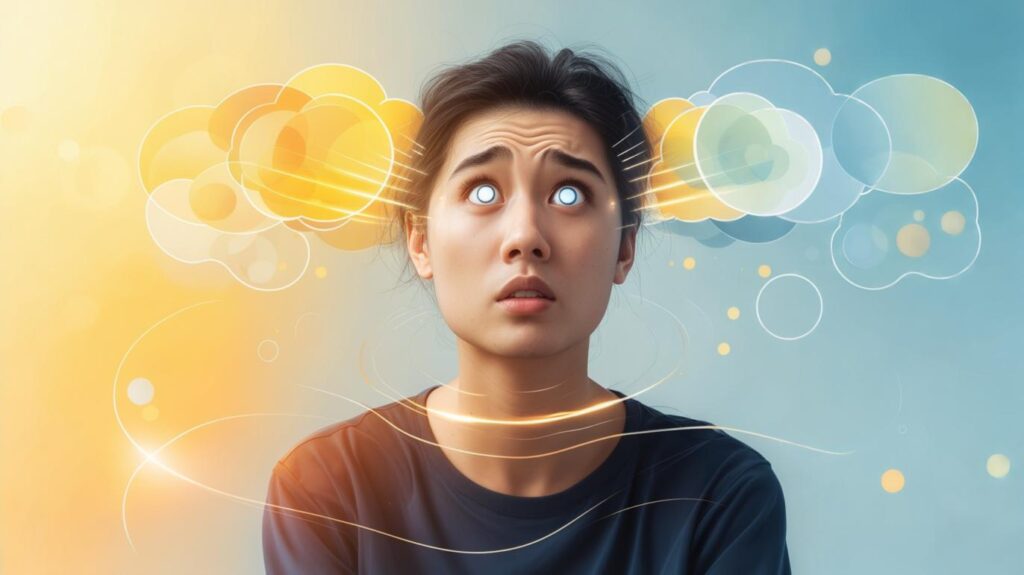
Mania is a word used to describe a period of very high energy and strong emotions. It is often linked to bipolar disorder, a mental health condition that causes big changes in mood. During mania, a person may feel extremely happy, excited, or powerful — much more than usual. These feelings can seem positive at first, but they can also lead to risky or harmful behavior if not managed carefully.
What Is Mania?
Mania is more than just feeling happy or energetic. It is a state where emotions and thoughts speed up, and a person may feel like they can do anything. Sleep often becomes less important, and ideas come quickly, one after another. While this burst of energy can feel good, it can also make it hard to think clearly or make safe decisions.

Common Signs of Mania
Mania affects both emotions and behavior. Some common signs include:
Signs of Mania (Easy Points):
- Talking very fast and not letting others speak.
- Jumping quickly from one idea to another (racing thoughts).
- Feeling like you need very little sleep but still having lots of energy.
- Taking on many tasks at once or starting many projects.
- Doing risky things without thinking about the results (like spending too much money).
- Feeling unusually excited, happy, or “on top of the world.”
- Feeling easily annoyed, irritated, or angry when things don’t go your way.
- Having trouble focusing or paying attention to one thing at a time.
- Being very active and restless, unable to sit still.
These behaviors usually last for days or weeks and can affect a person’s work, school, relationships, and daily life.

How Mania Affects Emotions
During mania, emotions can feel stronger than usual. A person might feel unstoppable one moment and frustrated the next. Small problems can cause big reactions. This emotional rollercoaster can be confusing for both the person experiencing it and those around them.
Sometimes, people in a manic state may not realize that their behavior has changed. They might feel great and believe nothing is wrong, even when others notice something unusual.
How Mania Affects Behavior
Mania can lead to impulsive actions — doing things quickly without thinking about the results. For example, someone might spend large amounts of money, drive too fast, or start new projects they can’t finish. These actions can cause problems later, especially when the manic episode ends and energy levels drop.
Because mania affects judgment, it’s important for loved ones to offer gentle support and help the person get professional care.
What Causes Mania?
Mania is often part of bipolar disorder, but it can also be triggered by other factors such as:
- Lack of sleep
- High stress or major life changes
- Certain medications or drug use
- Irregular daily routines
It’s not caused by weakness or personality flaws. It’s a medical condition that affects how the brain manages mood and energy.
Treatment and Support
Mania can be managed with the right treatment and care. Common treatments include:
- Medication: Helps balance mood and prevent extreme highs and lows.
- Therapy: Teaches coping skills and helps understand triggers.
- Healthy Habits: Regular sleep, balanced meals, and stress management can reduce episodes.
- Support System: Family and friends can help by noticing early signs and encouraging treatment.
Living with Mania
People who experience mania can still live full and meaningful lives. Learning to recognize early warning signs — like sleeping less or feeling unusually excited — can help prevent episodes from getting worse. Staying connected to doctors, therapists, and loved ones makes a big difference.
Final Thoughts
Mania is a period of intense mood and energy that can change how a person feels and acts. While it can seem exciting, it can also cause problems if left untreated. Understanding mania helps reduce fear and stigma, and with the right care, people can find balance, stability, and peace in their daily lives.