
Signs People Ignore and How to Rebuild Confidence Afterward
Understanding Toxic Relationships
A toxic relationship is one that drains energy, lowers self-esteem, and makes a person feel unsafe or unworthy. It can happen in romantic relationships, friendships, or even family connections. Emotional abuse often hides behind kind words or small actions that slowly break confidence and peace of mind.

Common Signs People Ignore
1. Constant Criticism
When someone always points out flaws, mocks opinions, or makes a person feel “never good enough,” it’s emotional abuse. Healthy feedback helps growth, but constant criticism destroys self-worth.
2. Control and Manipulation
Toxic partners often try to control what others wear, who they meet, or how they spend time. They may use guilt or fear to get their way, making the other person feel trapped.
3. Gaslighting
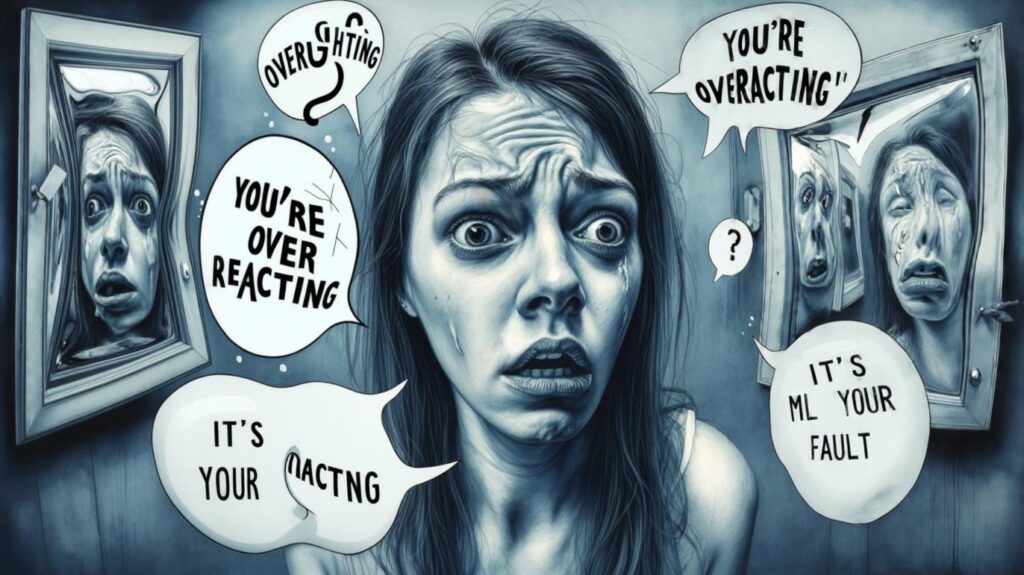
Gaslighting happens when someone twists the truth to make another person doubt their memory or feelings.“When ‘You’re Overreacting’ Is More Than Just a Phrase — It’s a Warning Sign”
4. Isolation
Abusive people often separate their partners from friends and family. They may say others are “bad influences” or “don’t understand.” Over time, this isolation makes it harder to seek help.
5. Walking on Eggshells
If someone feels scared to speak up or always worries about upsetting their partner, it’s a sign of emotional abuse. Love should bring comfort, not fear.
6. Blame and Guilt
Toxic individuals rarely take responsibility. They blame others for their mistakes and make their partner feel guilty for things beyond their control.

The Hidden Damage
Emotional abuse doesn’t leave visible scars, but it deeply affects mental health. It can lead to anxiety, depression, self-doubt, and a loss of identity. Many people stay because they believe things will change or because they fear being alone.
Rebuilding Confidence After Emotional Abuse
1. Accept What Happened
Healing starts with acknowledging the truth. It’s not about blaming oneself but understanding that no one deserves to be treated badly.
2. Set Boundaries
Learn to say no without guilt. Boundaries protect emotional space and help rebuild a sense of control.
3. Reconnect with Supportive People
Spend time with friends or family who listen without judgment. Supportive relationships remind a person of their worth and help rebuild trust.
4. Practice Self-Care
Simple acts like journaling, exercising, or spending time in nature can help restore peace. Self-care is not selfish—it’s necessary for healing.
5. Seek Professional Help
Therapists or counselors can guide recovery and help rebuild confidence. Talking to a professional provides tools to manage emotions and move forward.
6. Rediscover Passions
Engaging in hobbies or learning new skills helps reconnect with personal strengths and joy. It reminds a person that life can be full and meaningful again.
7. Be Patient with Healing
Recovery takes time. Confidence doesn’t return overnight, but every small step forward is progress.
Moving Forward
Walking Away Isn’t Weakness — It’s Strength: The Courage to Leave Toxic Love. Healing from emotional abuse means learning to trust again, love oneself, and believe in a future filled with respect and kindness. Everyone deserves relationships that bring peace, not pain.