
How Lifestyle, Loneliness, and Career Pressure Trigger Low Mood
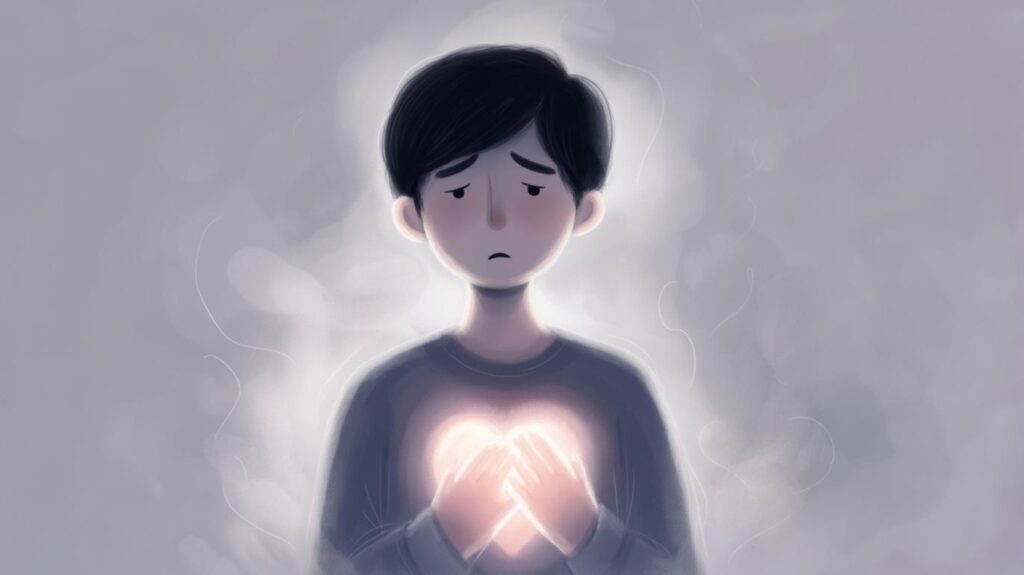
Understanding Depression
More Than a Mood: How Depression Impacts Thoughts, Feelings and Daily Living.It’s a deep and lasting feeling of emptiness, hopelessness, or loss of interest in things that once brought joy. Many young adults experience depression, but often they don’t talk about it because they fear being judged or misunderstood.
Depression can affect anyone, no matter how strong or successful they seem. It’s not a sign of weakness—it’s a sign that the mind and body need care and support.
Why Depression Happens in Young Adults

1. Lifestyle Habits
Modern life moves fast. Many young adults stay up late, skip meals, or spend long hours on screens. Lack of sleep, poor diet, and little physical activity can affect mood and energy levels. Over time, these habits can make the brain more sensitive to stress and sadness.
2. Loneliness and Disconnection
Even in a world full of social media, many young people feel lonely. Online connections can’t always replace real conversations or emotional closeness. Moving away from family, losing friendships, or struggling to fit in can make loneliness worse. Feeling unseen or unsupported can slowly lead to depression.
3. Career and Academic Pressure
Young adults often face pressure to succeed—finding the right job, earning enough money, or meeting family expectations. Constant comparison with others can create feelings of failure or self-doubt. When goals feel out of reach, motivation drops, and hopelessness can take over.
4. Uncertain Future
The world changes quickly, and uncertainty about the future can cause anxiety. Questions like “What if I fail?” or “What’s my purpose?” can become heavy and overwhelming.
5. Lack of Emotional Support
Many young adults don’t have safe spaces to talk about their feelings. Without support, sadness can build up and turn into depression.
Common Signs of Depression
- Feeling tired or drained most of the time
- Losing interest in hobbies or social activities
- Changes in sleep or appetite
- Difficulty concentrating or making decisions
- Feeling worthless or guilty
- Withdrawing from friends and family
- Thoughts of hopelessness or self-harm
Recognizing these signs early is important. Depression is treatable, and help is available.
Simple Ways to Cope and Heal

1. Build a Healthy Routine
Try to sleep at regular times, eat balanced meals, and move the body daily. Even a short walk or stretching can lift mood and reduce stress.
2. Stay Connected
Reach out to friends, family, or support groups. Talking about feelings doesn’t make them worse—it helps release them. Real conversations can remind a person they’re not alone.
3. Limit Screen Time
Too much time online can increase comparison and loneliness. Take breaks from social media and spend time doing things that bring calm, like reading, drawing, or being outdoors.
4. Set Small Goals
When life feels heavy, big goals can seem impossible. Focus on small, daily steps—like cleaning a room, cooking a meal, or finishing a short task. Small wins build confidence.
5. Practice Mindfulness
Mindfulness Defined: Present-Moment Attention With Openness.Deep breathing, meditation, or simply noticing surroundings can help calm racing thoughts.
6. Seek Professional Help
You Don’t Have to Face It Alone — Mental-Health Experts Offer Help and Healing. Talking to a professional is a brave and important step toward healing.
7. Be Kind to Yourself
Depression can make self-criticism stronger. Replace harsh thoughts with gentle ones. Recovery Doesn’t Happen Overnight — Give Yourself the Gift of Time.
Moving Forward
Depression in young adults is real and common, but it doesn’t define a person’s future. With understanding, support, and small daily changes, it’s possible to feel better again. Everyone deserves peace, purpose, and happiness—and reaching out for help is the first step toward finding it.