
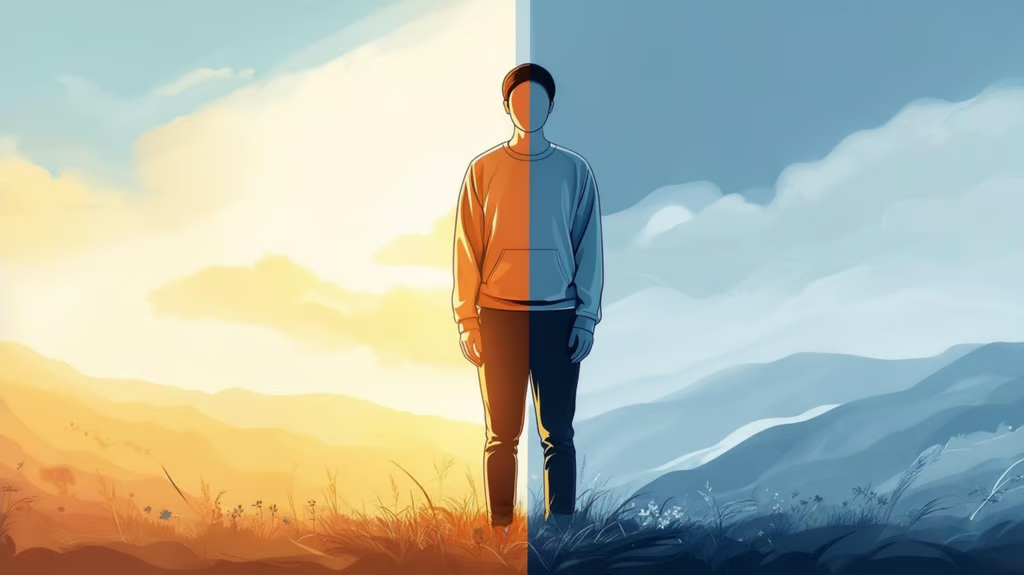
Bipolar disorder is a mental health condition that leads to very strong changes in mood, energy, and behavior. People with bipolar disorder do not just feel a little up and down like everyone else. Instead, they go through high-energy phases where they may feel extremely happy, full of ideas, and very active (called mania or hypomania), and low-energy phases where they feel very sad, tired, or hopeless (called depression). These mood changes can last for several days or weeks and make everyday life harder. Bipolar disorder happens because of differences in how the brain works, and it may run in families or be affected by life stress, but it is not anyone’s fault. With proper treatment such as medicine, talking therapy, and support from doctors, family, and friends, many people with bipolar disorder can manage their symptoms and lead balanced lives.
The Two Main Mood States

- Mania or Hypomania (The Highs)
During a manic or hypomanic episode, a person may feel extremely happy, excited, or powerful. They might talk very fast, sleep less, and have lots of ideas or energy. Some people may take risks, spend too much money, or act without thinking.- Mania is the more severe form and can cause serious problems in daily life.
- Hypomania is a milder form, where the person still feels energetic and upbeat but can usually manage daily tasks.
- Depression (The Lows)
During a depressive episode, a person may feel very sad, hopeless, or tired. They might lose interest in things they used to enjoy, have trouble sleeping, or find it hard to concentrate. In severe cases, they may even have thoughts of self-harm or suicide.
These mood changes can make life unpredictable, but they can be managed with proper care.

What Causes Bipolar Disorder?
The exact cause is not fully known, but several factors can play a role:
- Genetics: It can run in families.
- Brain Chemistry: Imbalances in brain chemicals can affect mood control.
- Stress or Trauma: Major life changes or emotional stress can trigger episodes.
- Sleep Problems: Lack of sleep can make symptoms worse.
How Bipolar Disorder Affects Daily Life
Bipolar disorder can make it hard to keep a steady routine. Work, school, and relationships may be affected by sudden mood changes. During manic phases, a person might take on too many tasks or make quick decisions. During depressive phases, they may struggle to get out of bed or talk to others.
However, with understanding and support, people with bipolar disorder can learn to recognize their mood patterns and take steps to stay balanced.
Treatment and Support
Bipolar disorder can be managed with a combination of treatments:
- Medication: Helps balance mood and prevent extreme highs and lows.
- Therapy: Talking with a therapist can help manage stress and understand emotions.
- Healthy Lifestyle: Regular sleep, exercise, and a balanced diet can help keep moods stable.
- Support System: Family, friends, and support groups can make a big difference in recovery.
Living Well with Bipolar Disorder
Having bipolar disorder does not mean a person cannot live a full and happy life. Many people with this condition are creative, successful, and strong. The key is learning to manage symptoms, follow treatment plans, and ask for help when needed.
Final Thoughts
Bipolar disorder is more than just mood swings — it’s a real medical condition that affects how the brain controls emotions. Understanding it helps reduce fear and stigma. With the right care, support, and self-awareness, people with bipolar disorder can lead stable, meaningful, and healthy lives.