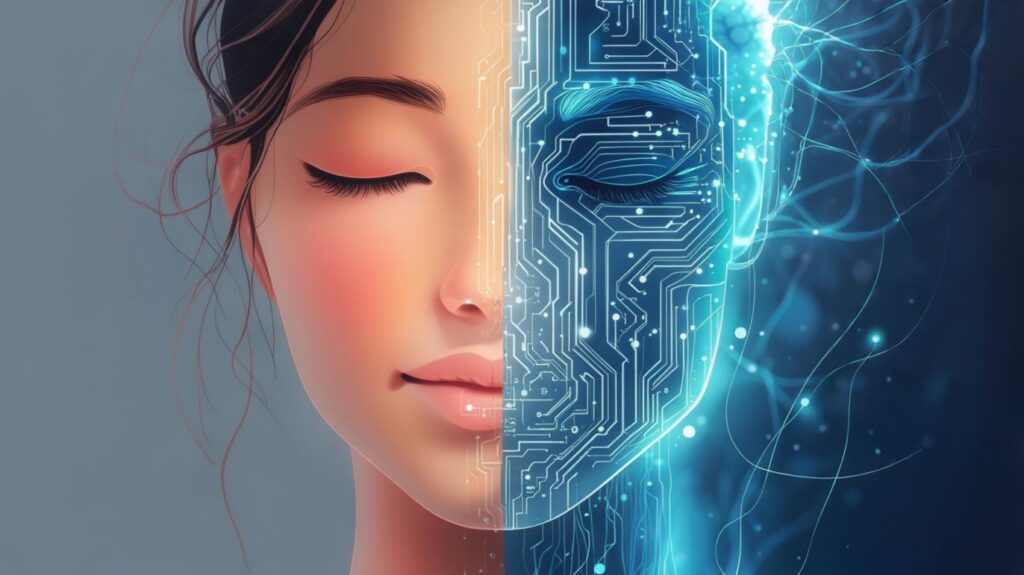
Artificial intelligence, or AI, is becoming an important part of mental health care. It is helping doctors, therapists, and individuals understand emotions, detect problems early, and find better ways to support mental well-being. AI uses computer programs that can learn from data, recognize patterns, and make suggestions — much like how humans think and respond.
AI in Therapy
AI is being used to support therapy in new and creative ways. Some online platforms use AI to help therapists track a patient’s progress, notice changes in mood, or suggest helpful exercises. AI can also help match people with the right type of therapy or therapist based on their needs.
While AI cannot replace human empathy, it can make therapy more accessible and efficient. For example, people who live far from clinics or have busy schedules can use AI-powered tools to get support anytime.

AI in Diagnostics
AI can help identify mental health conditions earlier by analyzing speech, writing, or behavior patterns. For instance, it can detect signs of depression, anxiety, or stress by studying how someone talks or types messages. This helps professionals make faster and more accurate diagnoses.
AI can also look at large amounts of data from brain scans or medical records to find patterns that humans might miss. This can lead to better understanding and treatment of complex mental health conditions.
AI in Mental Health Apps
Many mental health apps now use AI to offer personalized support. These apps can track mood, sleep, and stress levels, then suggest activities like breathing exercises, journaling, or meditation. Some apps even send gentle reminders to take breaks or practice mindfulness.
AI helps make these tools more personal. For example, if someone often feels anxious in the evening, the app might suggest calming exercises at that time. This kind of smart support can help people build healthy habits and manage emotions more effectively.
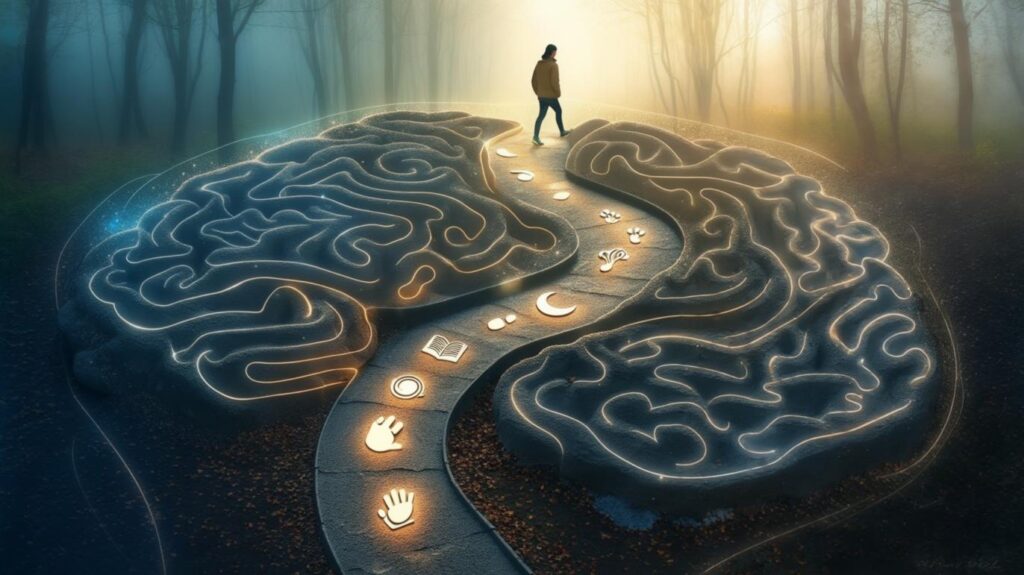
AI Chatbots for Emotional Support
AI chatbots are virtual companions that can talk with users about their feelings. They use natural language to respond with empathy and understanding. While they are not a replacement for real therapists, they can provide comfort and guidance when someone needs to talk.
These chatbots can help people who feel shy about opening up or who need quick support outside of therapy hours. They can also guide users toward professional help if needed.
Personalized Well-Being Tools
AI can create personalized well-being plans based on a person’s habits, goals, and emotional patterns. For example, it can suggest sleep routines, exercise plans, or relaxation techniques that fit an individual’s lifestyle. Over time, AI learns what works best for each person and adjusts its recommendations.
This kind of personalization makes mental health care more effective and easier to follow. It helps people take small, meaningful steps toward better emotional balance.

Opportunities of AI in Mental Health
- Accessibility: AI tools make mental health support available to more people, especially in areas with few therapists.
- Early Detection: AI can spot warning signs before problems become severe.
- Personalization: AI tailors care to each person’s unique needs.
- 24/7 Support: Chatbots and apps can offer help anytime, anywhere.
Ethical Considerations
While AI offers many benefits, it also raises important questions:
- Privacy: Mental health data is very personal. It must be protected carefully.
- Accuracy: AI should be tested to make sure it gives safe and reliable advice.
- Human Connection: Technology should support, not replace, real human care and empathy.
- Bias: AI systems must be designed fairly so they work well for people of all backgrounds.
Final Thoughts
AI is transforming mental health care by making support more accessible, personal, and effective. From therapy and diagnostics to chatbots and wellness apps, technology is helping people take better care of their minds. However, it’s important to use AI responsibly — with respect for privacy, fairness, and the human touch that remains at the heart of healing.
With the right balance between innovation and ethics, AI can become a powerful partner in building a healthier, more emotionally aware world.